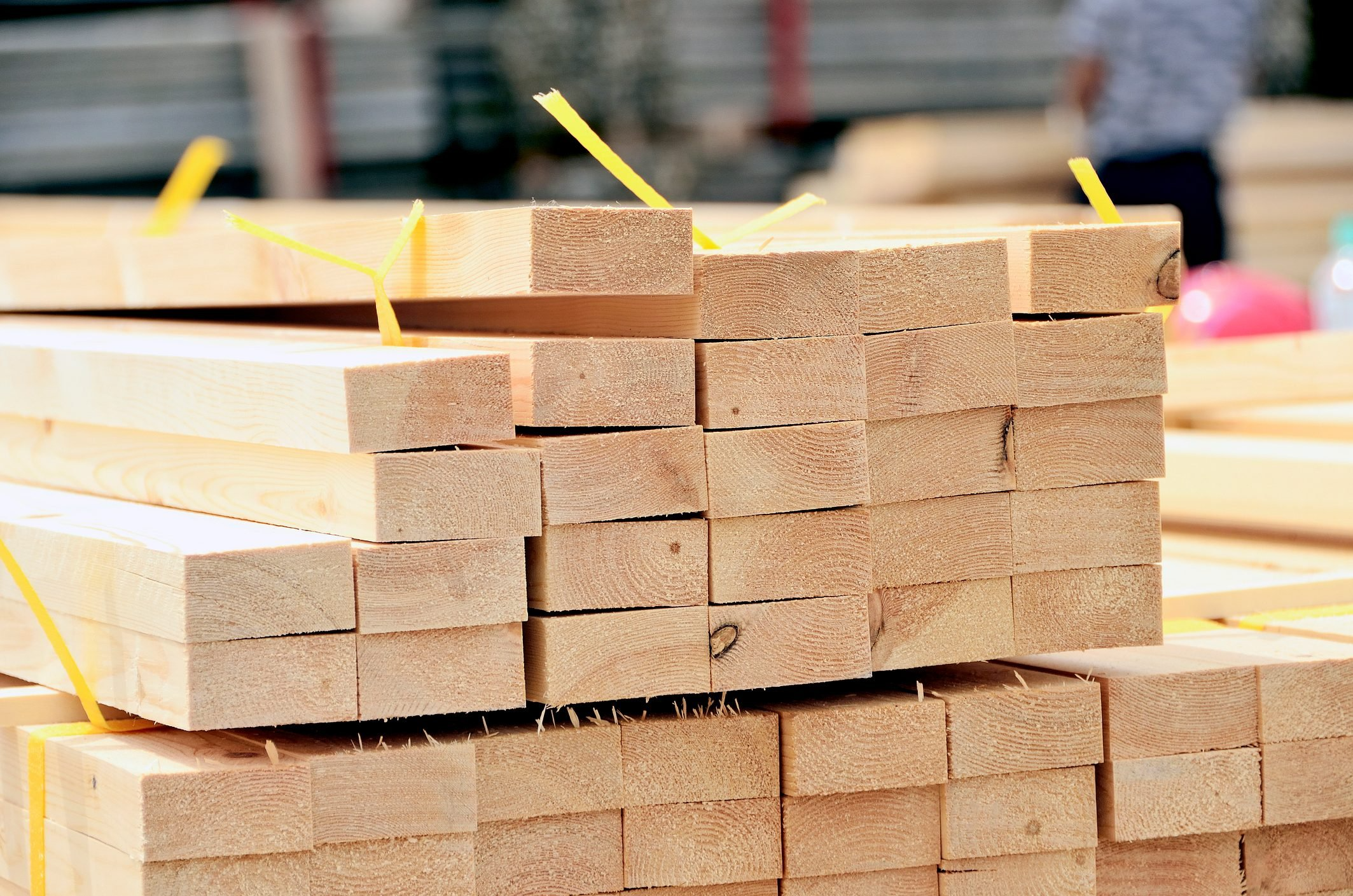
🌿 Ash Timber in India – Premium Hardwood by OPS International
Introduction: Strength Meets Elegance
Since 1953, OPS International has been India’s largest and most trusted timber importer, delivering premium hardwoods to both domestic and global markets. Among our flagship offerings, Ash Timber stands out for its exceptional strength, elegant grain, and versatile applications — making it the preferred choice for furniture makers, architects, interior designers, and construction professionals.
What is Ash Timber?
Ash Timber is derived from the Fraxinus genus, a hardwood species known for:
- 💪 High Strength & Load-Bearing Capacity – Ideal for structural and joinery work
- 🛡️ Shock Resistance – Used in sports gear and tool handles
- ✂️ Superior Workability – Straight grain and smooth texture for easy machining
- 🎨 Aesthetic Appeal – Light to medium brown tones with elegant grain patterns
Applications of Ash Timber
At OPS International, we supply Ash Timber for a wide range of uses:
- 🪑 Furniture Manufacturing – Chairs, tables, cabinets, and luxury décor
- 🏠 Flooring & Interiors – Durable and stylish wooden flooring
- 🏏 Sports Equipment – Baseball bats, hockey sticks, and tool handles
- 🧱 Construction & Joinery – Staircases, paneling, and interior structures
Why Choose OPS International for Ash Timber?
- 🕰️ 70+ Years of Expertise – Trusted importer and supplier since 1953
- 🏭 Largest Drying Facility in Kutch Timber Zone – Ensuring optimal moisture control
- 🌍 Global Reach – Sourcing and exporting timber across continents
- 🌱 Eco-Friendly Practices – Sustainable sourcing and responsible manufacturing
- 📦 Huge Stock Capacity – Ready inventory for bulk orders and immediate delivery
- 🛣️ Pan-India Distribution – Strong presence in Delhi, Gujarat, Punjab, J&K, Himachal, Rajasthan
Limitations of Ash Timber
While Ash Timber excels in indoor applications, it is not naturally rot-resistant. For outdoor projects, OPS International recommends Teak, Ipe, or Thermowood — all available in our premium hardwood portfolio.
- Ash Timber Supplier in Delhi
- Ash Wood Importer in Gujarat
- Ash Hardwood Price in Punjab, J&K, Himachal, Rajasthan
- Ash Timber for Furniture & Interiors
- Pan-India Ash Wood Wholesale
Conclusion
Ash Timber offers the perfect balance of strength, beauty, and versatility — and OPS International is your go-to supplier across India. With our Delhi and Gujarat branches, we ensure timely delivery, precision sizing, and unmatched quality for every project.
👉 Contact OPS International today to source Ash Timber and elevate your woodwork with elegance and performance.