
Blog
Wooden Wall Panelling in India | Premium Beech, Teak & Oak Panels – OPS International
✨ Wooden Wall Panelling – Elevating Interiors with Natural Elegance
🌳 What is Wooden Wall Panelling? : Wooden wall panelling is more than decoration—it’s a statement of luxury. By cladding walls with natural timber, interiors gain warmth, acoustic comfort, and timeless sophistication. Unlike paint or wallpaper, wood panels add depth, durability, and a premium aesthetic.
🛠️ How is Wall Panelling Made?
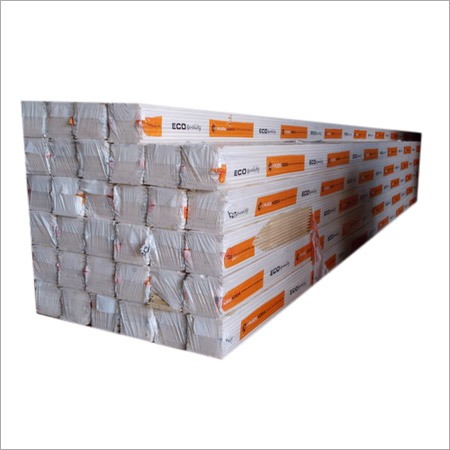
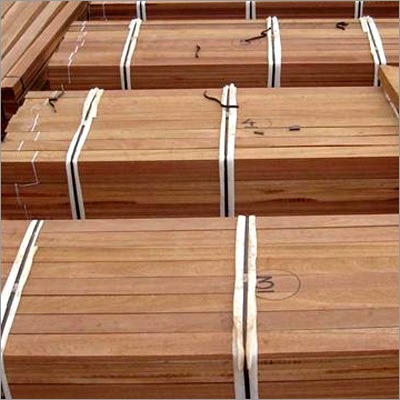
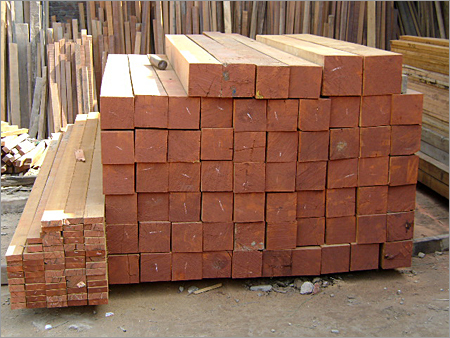
Selection of Timber: Premium hardwoods like Beech, Teak, Oak, Walnut, and economical softwoods like Pine.
Seasoning & Treatment: Kiln‑drying and steaming to reduce moisture and prevent warping.
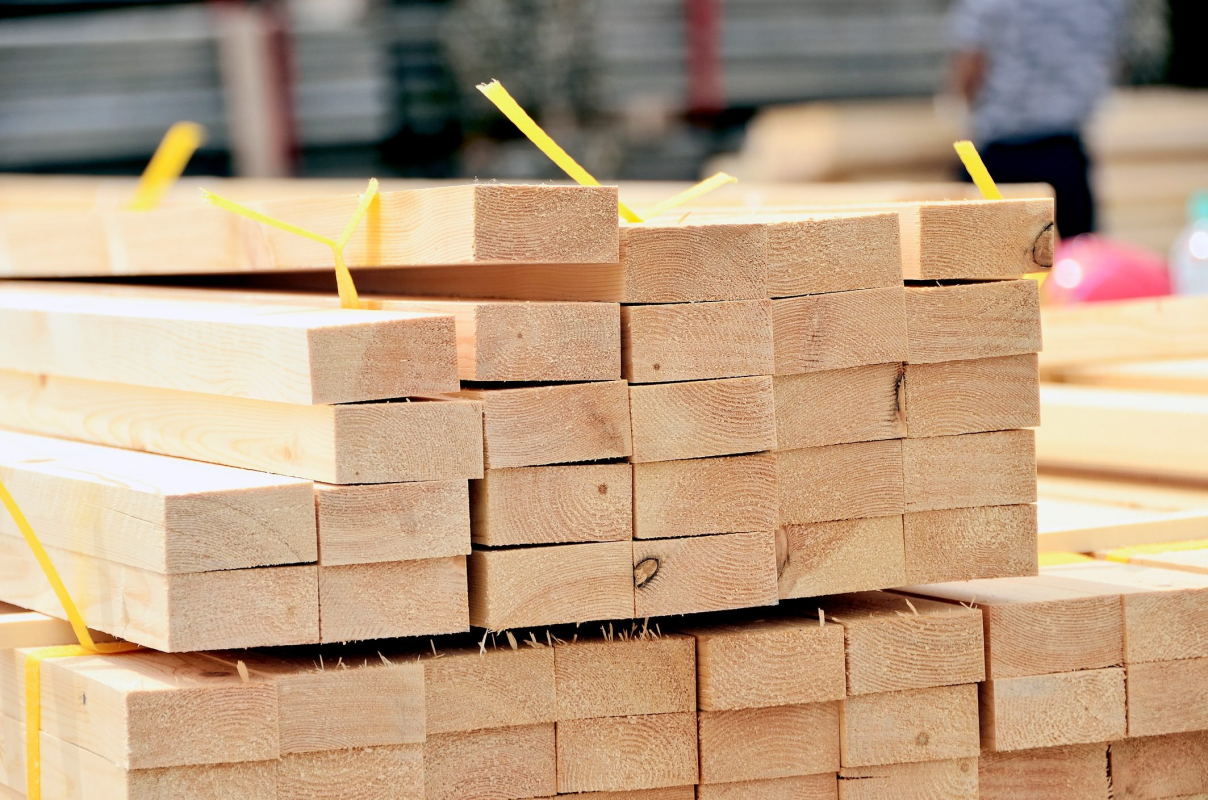
Cutting & Finishing: Boards and planks shaped into standard sizes, polished for smoothness.
Installation: Panels fixed with adhesives, screws, or hidden clips for seamless design.
🪵 Types of Wood Used in Panelling
🌸 Beech Wood – Pale pink tone, smooth texture, affordable premium option.
🌟 Teak (Sagwan) – Golden brown, oily finish, ideal for luxury villas and outdoor use.
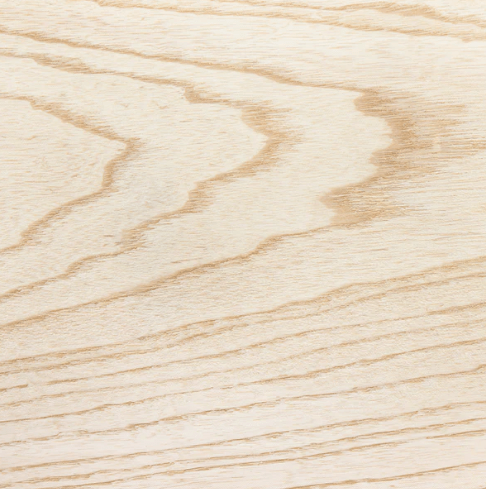
🍂 Oak – Rustic grain, light brown shade, perfect for classic interiors.
🌑 Walnut – Dark brown, rich grain, premium accent walls.
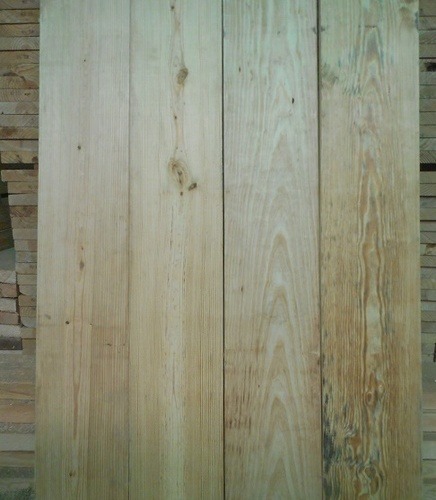
🌼 Pine – Softwood, light yellow tone, budget‑friendly interiors.
💰 Price Range in India
Beech: ₹1,400 – ₹1,600 per cft
Oak: ₹1,800 – ₹2,200 per cft
Teak: ₹2,500 – ₹3,500 per cft
Walnut: ₹3,000 – ₹4,000 per cft
Pine: ₹800 – ₹1,200 per cft
📏 Available Sizes
Length: 8–12 feet
Width: 6–16 inches
Thickness: 1–3 inches
Formats: Boards, planks, slabs
🔎 How to Identify Genuine Wooden Panels
Color Tone: Beech pale pink, Teak golden brown, Walnut dark brown.
Grain Pattern: Beech straight, Oak rustic, Walnut rich.
Texture: Smooth vs grainy finish depending on species.
📊 Comparison of Popular Woods
| Wood Type | Price (₹/cft) | Color/Texture | Best Use |
|---|---|---|---|
| Beech | 1400–1600 | Pale pink, smooth | Modern interiors, offices |
| Teak | 2500–3500 | Golden brown, oily | Luxury homes, outdoor |
| Oak | 1800–2200 | Light brown, rustic | Classic interiors |
| Walnut | 3000–4000 | Dark brown, rich grain | Premium accent walls |
| Pine | 800–1200 | Light yellow, soft | Budget interiors |
⚖️ Pros & Cons of Wooden Wall Panelling
✅ Pros
Natural warmth and premium look
Acoustic insulation
Long‑lasting durability
Wide variety of woods & finishes
❌ Cons
Higher cost compared to paint/wallpaper
Sensitive to moisture if not seasoned properly
Requires polishing and maintenance
🏢 Applications
Luxury homes: Living rooms, bedrooms, feature walls
Corporate offices: Boardrooms, reception areas
Hotels & resorts: Lobbies, suites, restaurants
Export projects: Preferred in Europe & Middle East
✨ People Also Ask
“Wooden Wall Panelling – Transform interiors with natural elegance.”
“OPS International – Premium hardwood wall panels for homes, offices & hotels.”
“Imported Beech, Teak & Oak Panelling at competitive prices.”
👉 Contact OPS International today to source Wooden Wall Paneling for your next project and experience the perfect blend of performance and aesthetics.
Contact OPS International for samples, pricing and technical support: info@opsinternational.in | +91-99-10-20-3100
❓ Frequently Asked Questions
🌳 What is wooden wall panelling?
Wooden wall panelling is the process of cladding walls with timber boards or planks to enhance interiors with warmth, durability, and acoustic comfort.
🪵 Which woods are best for wall panelling?
Popular choices include Beech, Teak, Oak, Walnut, and Pine. Beech offers smooth texture and affordability, Teak is luxurious and durable, Oak is rustic, Walnut is premium, and Pine is budget-friendly.
💰 What is the price range of wooden wall panels in India?
Prices vary by wood type: Beech ₹1,400–1,600 per cft, Oak ₹1,800–2,200, Teak ₹2,500–3,500, Walnut ₹3,000–4,000, and Pine ₹800–1,200.
🏢 Where can wooden wall panelling be used?
Wooden wall panels are ideal for luxury homes, corporate offices, hotels, resorts, and export projects. They add elegance to living rooms, bedrooms, lobbies, and boardrooms.
⚖️ What are the pros and cons of wooden wall panelling?
Pros: Natural warmth, premium aesthetics, acoustic insulation, durability.
Cons: Higher cost compared to paint, moisture sensitivity if not seasoned, and maintenance requirements.