


Blog
Responsible Timber Sourcing: What Buyers Should Ask and Why It Matters

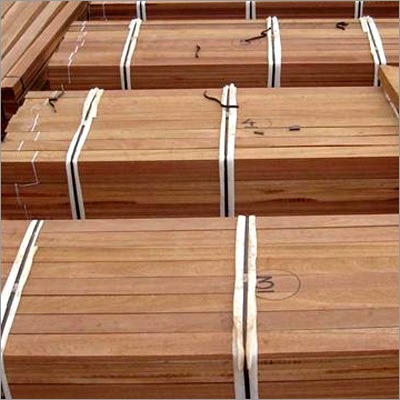
Timber sourcing is about more than price. Today’s buyers — architects, exporters, and builders — want traceability, legality and sustainability. Buyers who ask the right questions protect their brand and the environment. This short guide explains what to check when buying timber.
Why responsible sourcing matters
- Legal risk: Illegal logging leads to fines and business risk, and many import markets demand proof of legality.
- Environmental impact: Unsustainable logging degrades forests and harms biodiversity. Sourcing responsibly helps preserve forests.
- Market reputation: Customers and partners prefer suppliers who can show legal and sustainable practices.
Questions every buyer should ask
- Where is the timber from? Know the country and region — some regions have stricter regulations than others.
- Can you show legal documentation? Look for invoices, origin certificates, and government permits.
- Is the supplier a member of any associations? Memberships and local certifications add credibility.
- Is the timber certified? FSC or PEFC certification gives strong assurance of sustainable sourcing.
- How is the timber processed? Ask about kiln-drying, heat-treatment and any chemical treatments used.
- What traceability systems are in place? Good suppliers track timber from forest to shipment.
Practical buyer checks
- Request photos and supplier references. Good suppliers willingly share stock photos and client references.
- Run small sample orders first. Verify quality and documentation before scaling.
- Ask about chain-of-custody. This confirms a continuous record from origin to factory.
For exporters and international buyers
Many countries require “due diligence” or proof that timber is not from illegal sources. Importers should require clear legal paperwork and, if possible, FSC/PEFC certification.
How suppliers make sourcing responsible
A reputable supplier will:
- Maintain transparent records and invoices.
- Work with vetted forest partners and mills.
- Use sustainable harvest plans and replanting where possible.
- Offer certified options and provide test reports for treatments.
OPS International’s approach (example)
Established businesses with long experience keep close relationships with forest suppliers and mills. By documenting origin, treatment (KD, thermowood), and stock movement, a supplier like OPS International reduces risk for buyers and ensures consistent quality.
Commercial benefit for buyers
Sourcing responsibly can open export markets, reduce compliance headaches and attract clients who value sustainability. Over time, responsible sourcing also helps stabilise supply and prices.
Quick takeaway: Don’t buy on price alone. Ask for proof — origin, certificates and treatment records. Responsible sourcing protects your business and the environment.
Contact OPS for verified stock, documentation and quotes: opswoodindustries@gmail.com | +91 8045479839