
Blog
How to Choose the Right Timber for Furniture: A Practical Guide

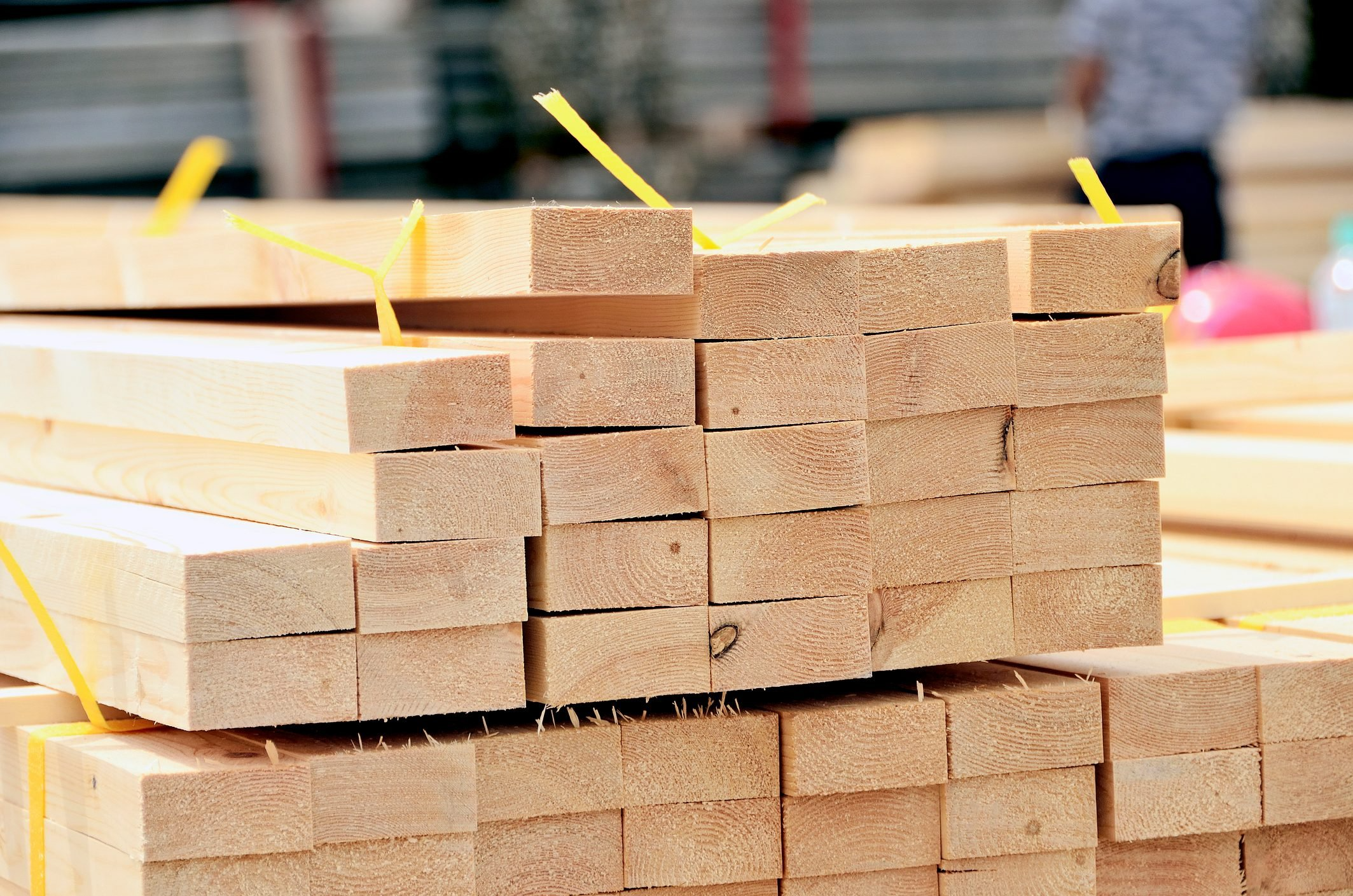
Choosing the right timber for furniture is more than style — it’s about strength, workability, finish and long-term performance. Here’s an easy guide to common timbers and when to pick them.
Understand the basic categories
- Softwoods (pine, SPF, SYP): generally easier to work, lighter and less expensive. Good for painted furniture, paneling and structures.
- Hardwoods (oak, ash, walnut, beech): denser, stronger and take polish better. Ideal for solid furniture and premium pieces.
Popular choices and why they matter
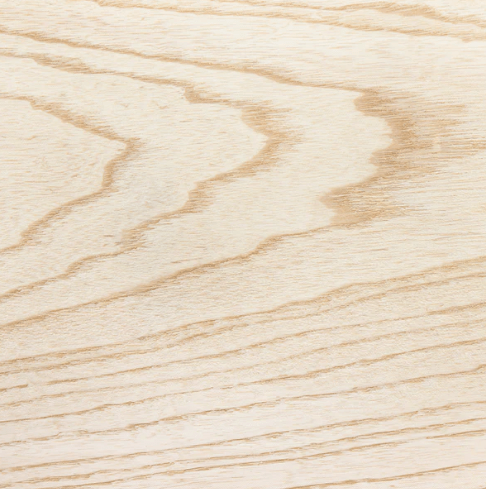
1. White Ash
- Looks & finish: Straight grain, light colour; takes stain and polish very well.
- Workability: Good strength-to-weight ratio; bends well.
- Use: Chairs, cabinets, flooring and visible furniture where grain is highlighted.
2. White Oak
- Looks & finish: Warm tones, attractive grain; very durable.
- Workability: Heavy but stable; excellent for joinery.
- Use: Tables, doors, furniture that needs long-term wear resistance.
3. American Walnut
- Looks & finish: Rich dark brown, premium appearance.
- Workability: Good machining and finishing properties.
- Use: Premium furniture, veneers, decorative pieces.
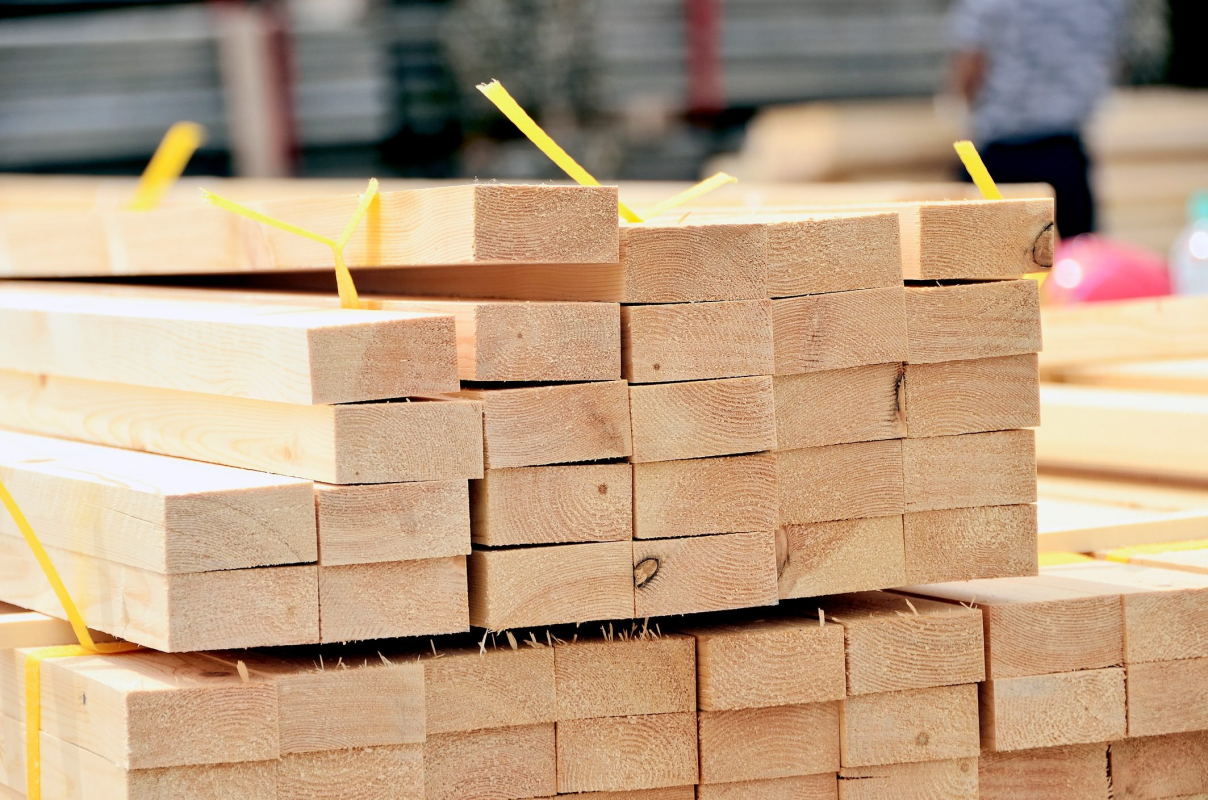
4. Spruce / Pine (SYP, SPF)
- Looks & finish: Pale, takes paint or stain well.
- Workability: Easy to work and cost-effective.
- Use: Framing, painted furniture, rustic interiors.
5. Steamed Beech
- Looks & finish: Smooth, uniform colour after steaming.
- Workability: Excellent for machining, good for turned items.
- Use: Chairs, indoor furniture, parts that need bending or shaping.
Practical selection tips
- For durability: Choose hardwoods like oak or walnut for heavy-use furniture.
- For cost savings: Use quality softwoods with good finish if the piece will be painted or covered.
- For indoors vs outdoors: Use KD (kiln dried) hardwoods for indoors. For outdoor furniture, choose thermally modified wood or teak-like hardwoods and finish properly.
- Match moisture content: Ensure timber is properly kiln-dried (KD) to required MC% for the location — that prevents warping later.
Finishing and maintenance
- Oils (tung, linseed) preserve natural look and need periodic re-application.
- Varnish / poly gives hard-wearing protection and is good for tabletops.
- Waxing gives soft sheen but less protection.
Workability & joinery
If your design uses complicated joints or bending, consider timbers known for stability and bending behaviour (ash for bending, beech for steam-bending).
Sustainability and sourcing
Ask suppliers for responsibly sourced timber or FSC equivalents where possible. Choosing sustainably sourced material reduces environmental impact and encourages good practices.
Why OPS International helps
With large stocks across species, OPS International can advise on the best timber match for your furniture project — from budget-friendly pine to premium walnut — and provide accurate sizes and kiln-dried stock.
Quick takeaway: Pick timber based on final use (heavy-use vs decorative), budget, and finish. For lasting furniture, hardwoods and correct KD levels are the key.
Contact OPS for samples and quotes: opswoodindustries@gmail.com | +91 8045479839